
Lawyer AI: Your 24/7 AI Legal Assistant for Questions, Documents and Research
A lawyer AI is an AI legal assistant built on large language models that answers everyday legal questions in plain English, drafts document templates, and flags risky contract clauses around the clock. The American Bar Association has responded to this shift with formal ethics guidance, a sign of how fast generative tools have moved into everyday legal work.
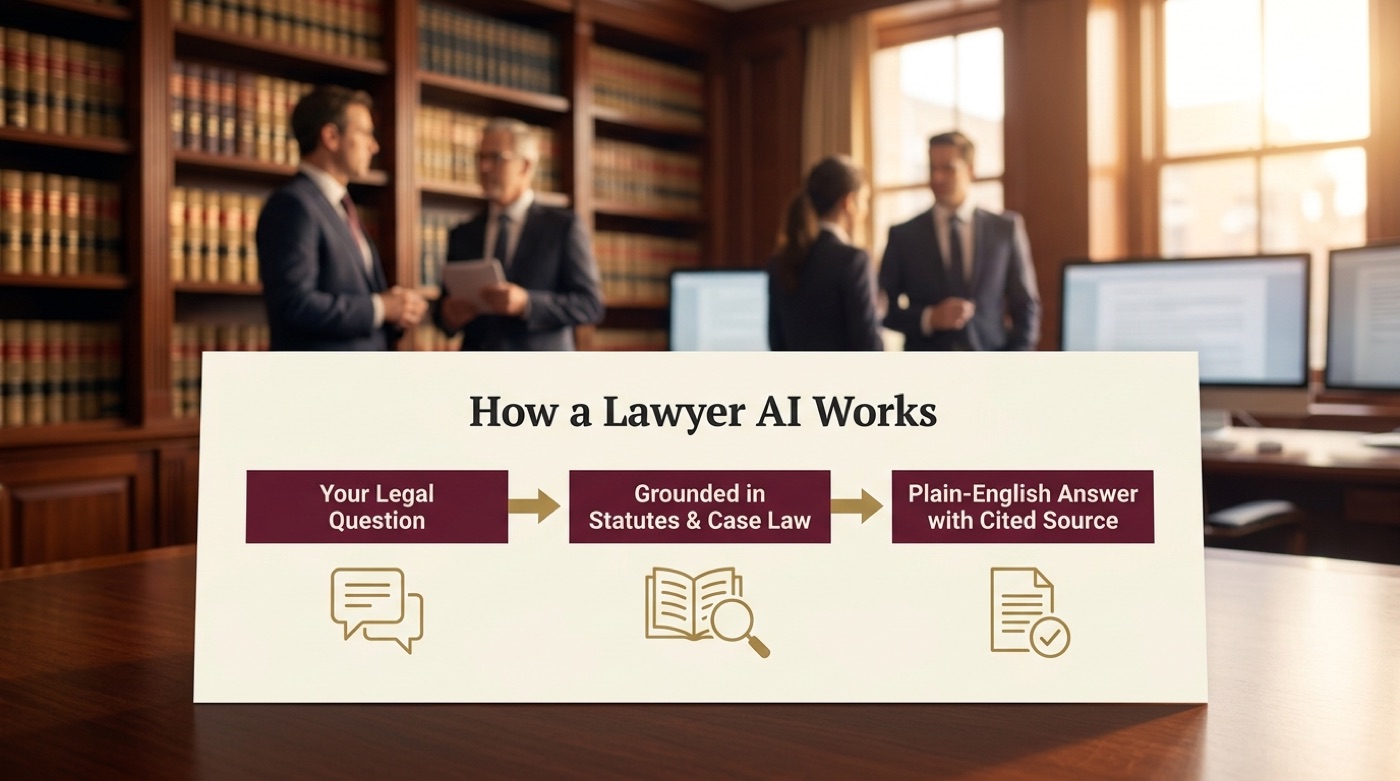
This kind of AI legal assistant helps right now — ask a question, generate a lease or NDA, or get a contract reviewed in minutes instead of days. It is worth being upfront: what a lawyer AI gives you is legal information, not legal advice, and it does not replace a licensed attorney for anything that goes to court or carries real financial risk.
What Is a Lawyer AI and How It Works
An AI legal assistant is a type of software that runs on GPT-4-class large language models trained to work with statutes, case law, and legal document templates. Unlike a general-purpose chatbot, a legal AI assistant is built to lean on verifiable sources rather than free-associate an answer, which matters enormously in a field where a wrong citation can end up in a court filing.
From Chatbot to Legal Assistant: What’s Under the Hood
The core technology — a large language model — is the same family of system behind ChatGPT or Claude, but a dedicated legal AI adds a layer of retrieval against real statutes and case databases instead of relying purely on what the model memorized during training. That distinction matters because generic chatbots are well known for fabricating citations. In Mata v. Avianca (2023), a federal judge in the Southern District of New York sanctioned two attorneys after they submitted a brief citing six court decisions that ChatGPT had invented outright. A specialized AI legal chatbot is designed to avoid exactly that failure mode by grounding answers in checkable sources.
What the Numbers Say About AI in Law
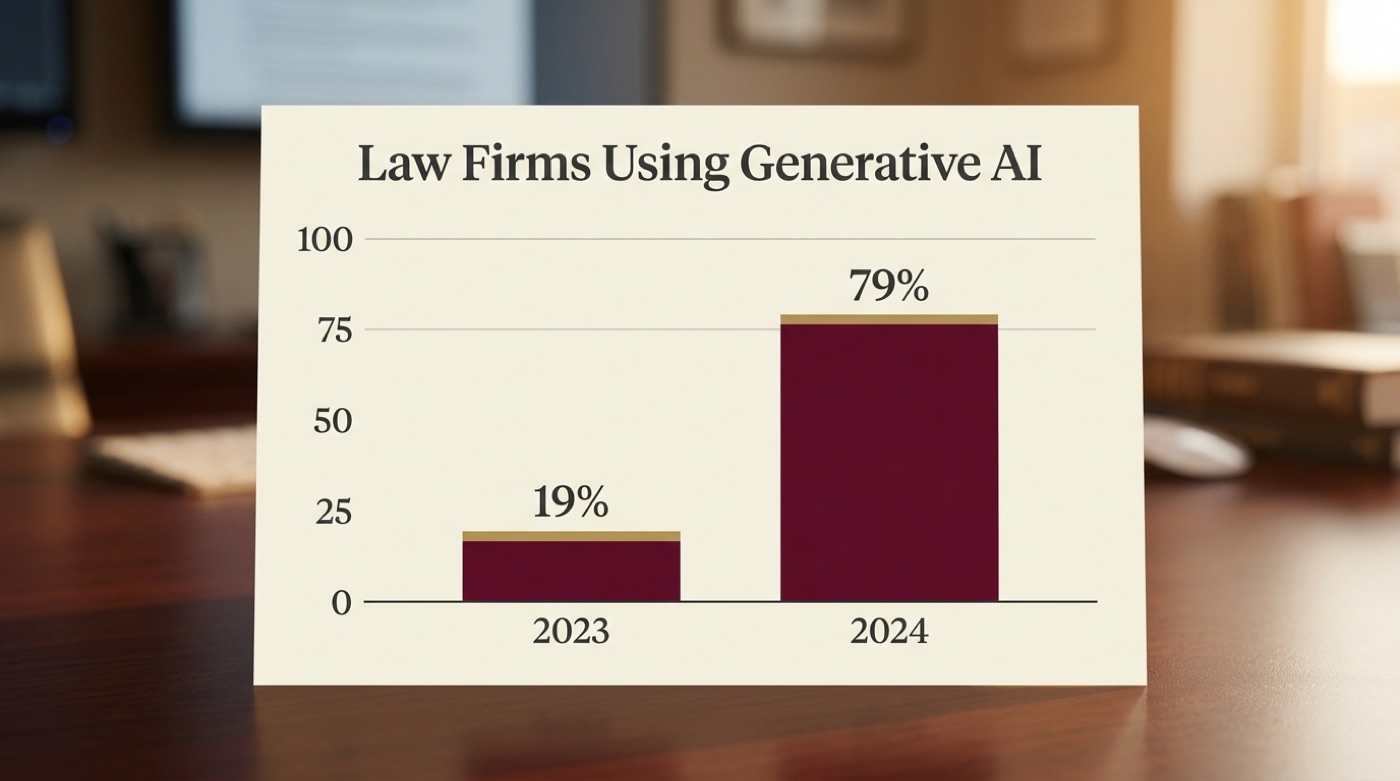
Adoption tells its own story. Law firm use of generative AI grew from 19% in 2023 to 79% in 2024, according to Clio’s Legal Trends Report. Among the firms already using it, 74% apply AI to document review, 73% to legal research, and 59% to drafting memos, based on Thomson Reuters’ 2025 Generative AI in Professional Services survey. The broader legal tech market was valued at roughly $29.81 billion in 2025 and is projected to reach $65.51 billion by 2034. Separate survey figures put lawyer trust in AI output at 71%, and 92% of active users report that it measurably improved their workflow.
| Metric | 2023 | 2024–2025 |
|---|---|---|
| Law firms using generative AI | 19% | 79% |
| Lawyers using AI for document review | — | 74% |
| Lawyers using AI for legal research | — | 73% |
| Global legal tech market size | — | $29.81B (2025) |
What a Lawyer AI Can Do for You
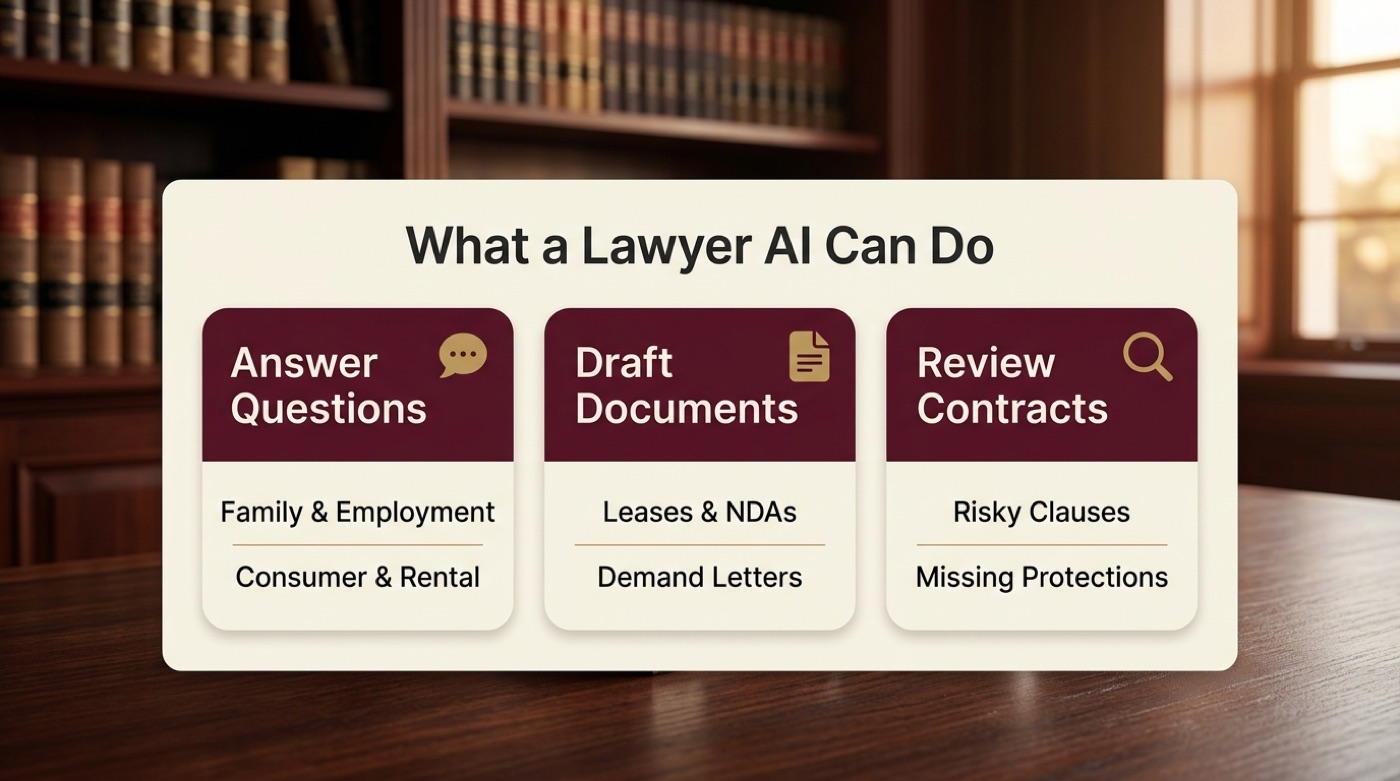
The practical range of a personal legal AI assistant covers three broad jobs: answering questions, producing documents, and reviewing what’s already been signed or drafted by someone else. All three run 24/7, with no intake call and no waiting for an appointment slot.
Answer Legal Questions in Plain English
A lawyer AI is available around the clock, without scheduling or waiting rooms, and it typically covers eight everyday areas:
- Family law
- Employment
- Consumer rights
- Rental and lease disputes
- Debt
- Traffic violations
- Small business questions
- Estate planning basics
A good AI-powered legal help session backs up its answer with a reference to the relevant law or regulation, then explains the terminology in plain language rather than legal jargon. That combination — an answer plus a rule citation — is what separates a serious AI lawyer assistant from a search engine result.
Draft and Review Documents
Common outputs include:
- Lease agreements
- NDAs
- Powers of attorney
- Employment contracts
- Demand letters
- Bills of sale
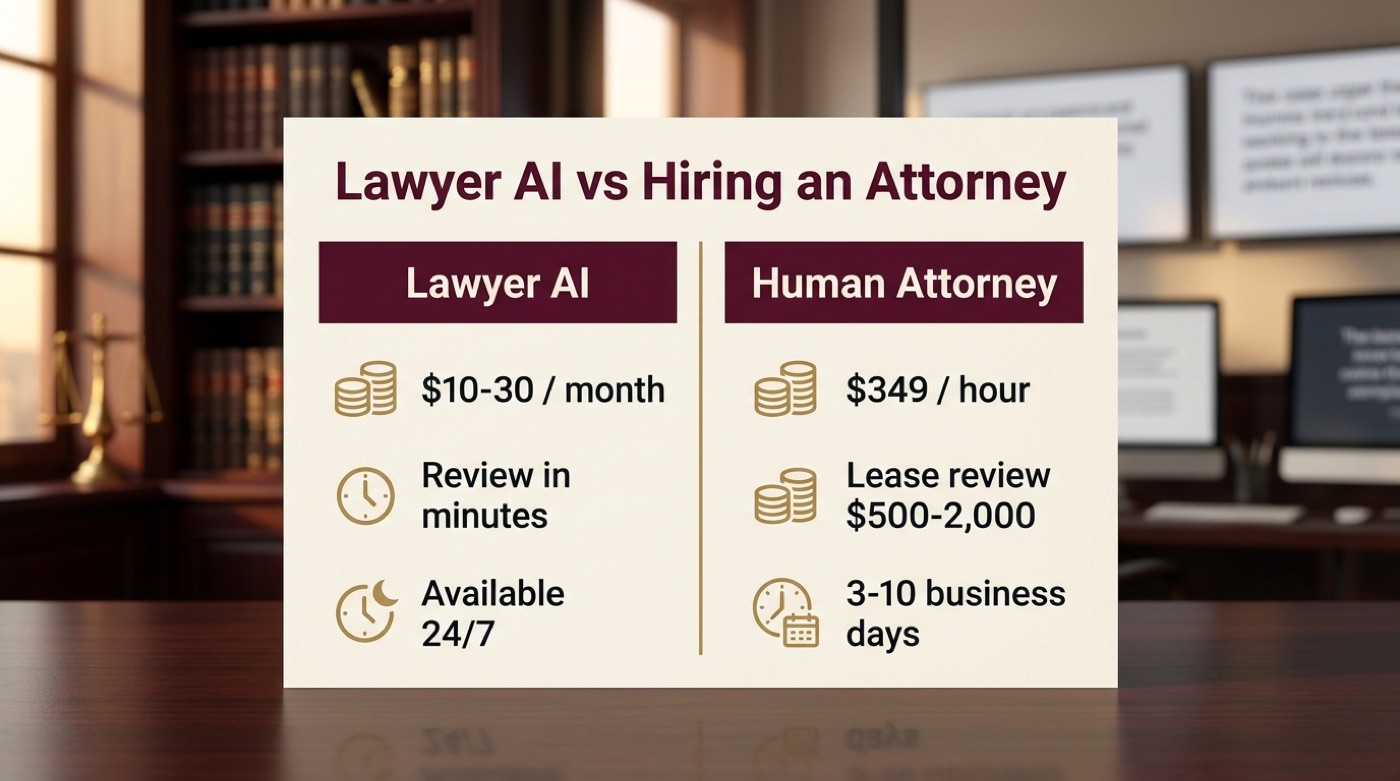
A document that takes 3 to 10 business days to get back from a traditional law office can come back from an AI document generator in minutes. On the review side, contract review means the assistant scans clause by clause for unusually risky terms, non-standard language, and missing protections that a standard template would normally include.
Research Laws and Cases
Legal research through an AI system means searching statutes and precedent and summarizing long filings — professional-grade platforms can condense documents running to hundreds or well over a thousand pages in a matter of seconds. The one non-negotiable habit here: always verify any cited case or statute number against the original source before relying on it.
Legal research may soon be unimaginable without it.
Chief Justice John G. Roberts, 2023 Year-End Report on the Federal Judiciary
Lawyer AI vs. Hiring an Attorney: Cost and Speed
The economics are the single biggest reason people try a lawyer AI first. The average hourly rate for a practicing attorney in the United States runs around $349, and that meter starts running the moment a call is answered.
When a Lawyer AI Saves You Money
A single question, a document draft, or a contract check through an AI legal assistant typically costs a fraction of a billable hour — many consumer tools run free or in the $10–30/month range, against professional AI platforms priced from roughly $229 to $499 per user per month for firms. A standard residential lease reviewed by an attorney can run $500 to $2,000 in fees; the same review takes an AI legal assistant minutes.
When You Still Need a Human Lawyer
Court appearances, criminal charges, high-value transactions, and any matter requiring formal representation all require a licensed attorney — no AI legal assistant is a substitute here. Anyone who needs free or low-cost representation can start with USA.gov’s legal aid directory or the Legal Services Corporation, a federally funded nonprofit that connects low-income Americans with legal help. To be direct about it: everything a lawyer AI produces is legal information, not legal advice, and it is not a substitute for a licensed attorney.
Accuracy, Privacy and Ethics: What to Know Before You Trust an AI With Legal Matters
Trusting an AI legal assistant with real legal questions raises three separate issues: how accurate the answers are, whether the conversation stays private, and what rules govern lawyers who use these tools professionally.
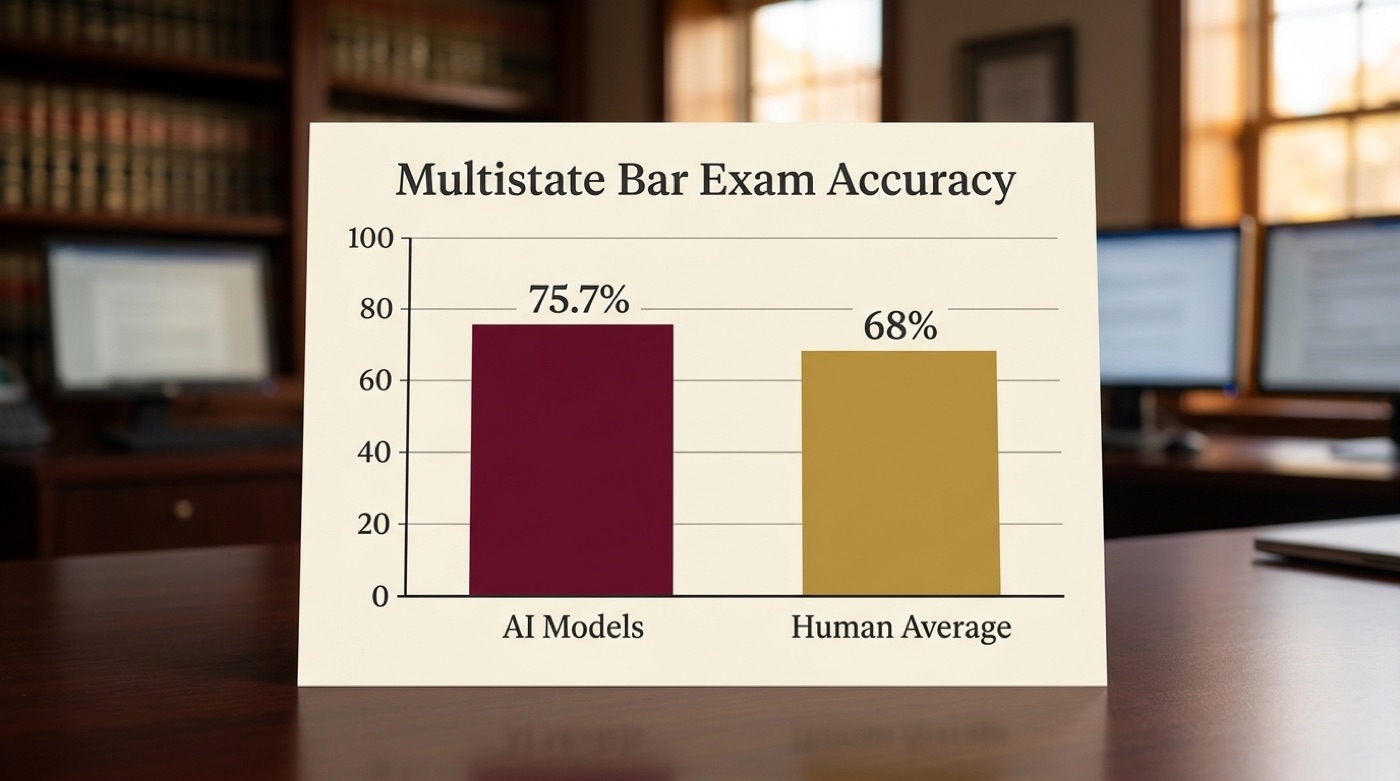
Accuracy has measurably improved. On the Multistate Bar Exam, AI models have scored around 75.7%, compared with a roughly 68% average among human test-takers — a notable shift from just a couple of years earlier when AI struggled with the same exam.
Confidentiality does not work the way people assume. Encryption such as AES-256/SSL and SOC 2 compliance are standard among serious providers, and they protect data in transit and at rest. What they do not create is attorney-client privilege — a conversation with an AI system is not a legally privileged communication the way a conversation with a retained lawyer is, so sensitive details that absolutely cannot be disclosed should not be typed into any chat, AI or otherwise.
Regulation is catching up. The American Bar Association issued Formal Opinion 512 in July 2024, setting out lawyers’ ethical duties — competence, confidentiality, candor, and reasonable fees — when using generative AI in practice. It puts the confidentiality burden on the lawyer, not the tool, which is why practicing attorneys are expected to vet any generative AI system before entering client details into it. A share of legal organizations have restricted or banned AI tools outright, largely over these same confidentiality concerns.
The practical takeaway across all three points is the same: treat AI output as a strong first draft and a research shortcut, not a final ruling — every citation, date, and statute number still needs a human to check it against the primary source, and no sensitive detail that couldn’t be disclosed publicly should be typed into any chat, AI or otherwise.
Lawyer AI for Legal Professionals
Beyond individual consumers, a legal AI assistant is now a standard part of the toolkit inside law firms and corporate legal departments, covering research, contract analysis, and increasingly predictive analytics on case outcomes.
How Law Firms and In-House Teams Use AI
In-house teams use AI legal assistants across five main task categories:
- Legal research
- Contract review
- Due diligence
- Predictive analytics
- E-discovery
These are the areas where volume, not judgment, is the bottleneck. Analyst estimates put the productivity gain at 10–20% for legal departments over a two-to-five-year adoption window, and one 2025 ROI study found legal teams saving roughly 14 hours per person per week after adopting AI tools, while cutting outside counsel spend by a median of about 14% per department annually. Professional-grade platforms for firms typically run $229–$499 per user per month, while a consumer-facing AI legal assistant covers the same everyday drafting and review tasks for a small fraction of that price.
| Use case | Consumer AI legal assistant | Professional legal AI platform |
|---|---|---|
| Typical price | Free–$30/month | $229–$499/user/month |
| Primary users | Individuals, small business owners | Law firms, in-house legal teams |
| Core tasks | Q&A, document drafting, contract review | Research, due diligence, predictive analytics, e-discovery |
| Reported gain | Minutes vs. days per task | 10–20% productivity, ~14 hrs/week saved per person |
How to Get the Most Out of a Lawyer AI: Safe-Use Checklist
Getting reliable results out of any AI legal assistant comes down to a short list of habits, not a special subscription tier.
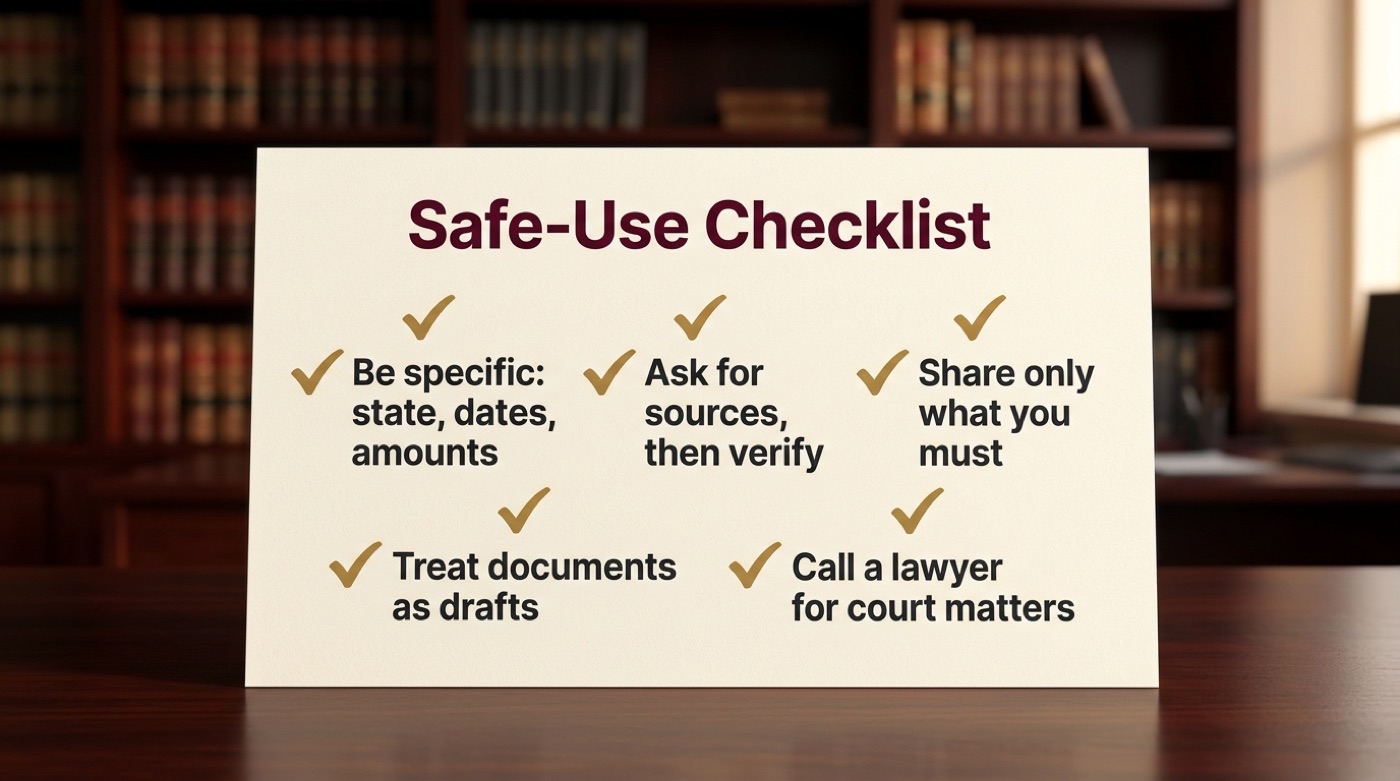
Five Rules for Working With an AI Legal Assistant
- Be specific. Include your state, exact dates, and dollar amounts — vague prompts produce vague, less useful answers.
- Ask for sources, then check them. Any AI lawyer assistant worth using can cite the statute or case it relied on; verify the citation independently before acting on it.
- Don’t share more than necessary. Since attorney-client privilege doesn’t apply, avoid pasting in details you couldn’t afford to have exposed.
- Treat documents as drafts. A generated lease, NDA, or demand letter is a starting point for review, not a final signed instrument.
- Call a human lawyer for anything going to court. Litigation, criminal matters, and high-value transactions need licensed representation, full stop.
Working through those five steps consistently is what turns lawyer AI online into a genuinely useful tool rather than a source of risk.
Frequently Asked Questions
- Can AI replace lawyers?
No. AI automates research, drafting, and document review — the tasks 74% and 73% of lawyers already delegate to it — but representation, legal strategy, and professional responsibility stay with a licensed attorney. Analysts estimate AI adds 10-20% productivity, not a full replacement.
- Is there an AI for legal advice?
There is AI for legal information and document drafts. Formal legal advice in the United States can only be given by a licensed attorney, so an AI legal assistant is best used for research, questions, and drafts that a human then reviews.
- Is a lawyer AI free?
Many tools offer a free basic tier for simple questions, while fuller access typically runs on a subscription — often $10-30/month for consumer use, compared with roughly $349/hour for a practicing attorney.
- Is AI legal advice reliable?
Accuracy has improved substantially, with AI scoring around 75.7% on the Multistate Bar Exam versus a 68% human average. Reliability still depends on verifying every citation, since fabricated case references have led to real court sanctions.
- Can I use ChatGPT as a lawyer?
Not safely on its own. General-purpose chatbots have fabricated case citations before, including the sanctioned Mata v. Avianca filing. A specialized lawyer AI grounded in verifiable legal sources is a better starting point, and it still does not replace an attorney.
- Is my conversation with an AI lawyer confidential?
It is encrypted on reputable platforms, but it is not protected by attorney-client privilege the way a conversation with a retained lawyer is. Avoid sharing information you could not afford to have disclosed.